
PHARMACISTS UP CLOSE
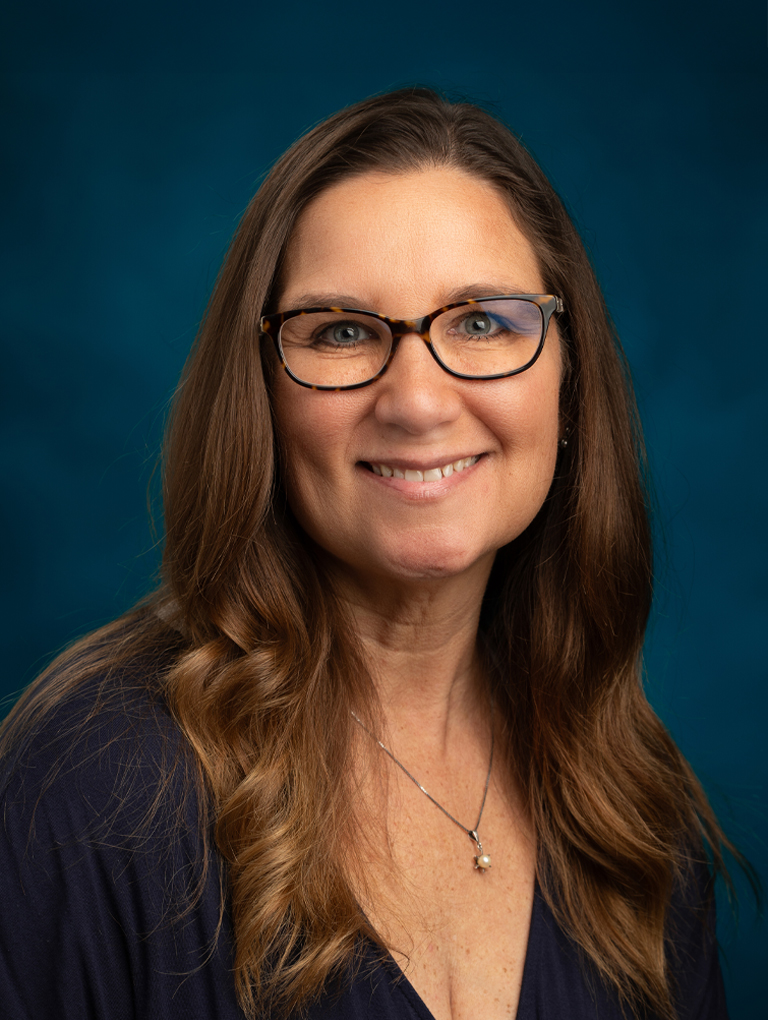
Amber S. Fifer
PharmD, ACRP-CP
“Research is what leads us to new scientific breakthroughs and new treatments. I want people to know that there are large teams working behind the scenes for their health.”
-Dr. Amber S. Fifer
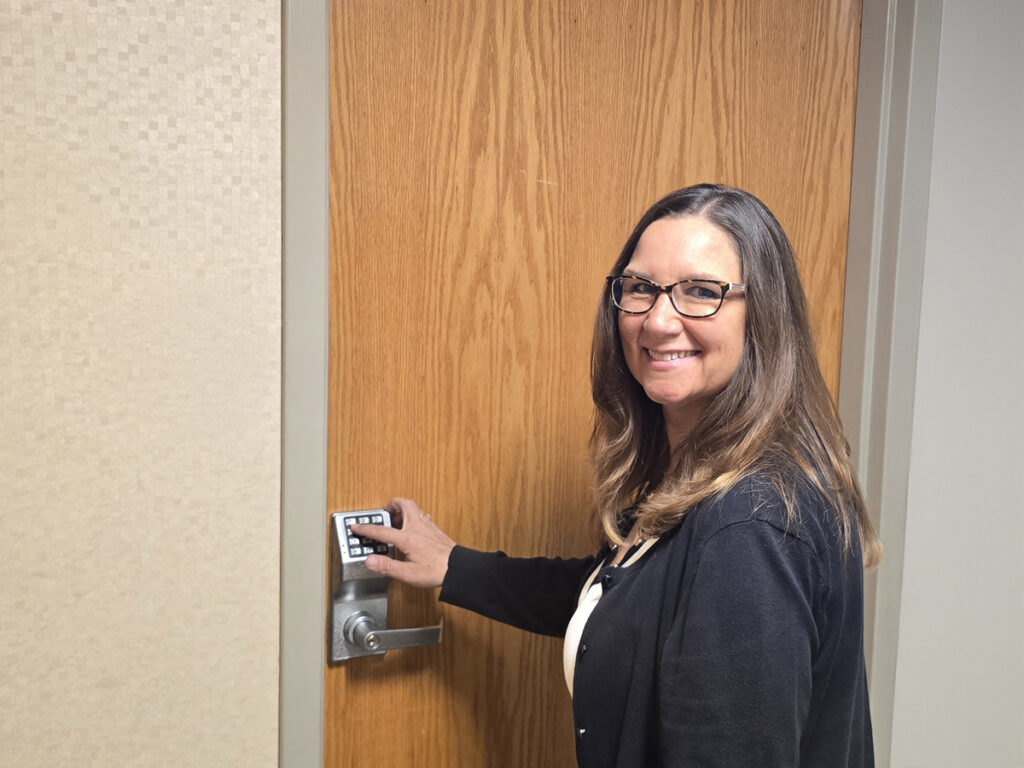
Pursuing a career in pharmacy was always part of Dr. Amber Fifer’s plan. Specializing in clinical research, however, was more of a happy accident — and she wouldn’t have it any other way.
Dr. Fifer started out as a critical care pharmacist, then moved into nutrition support. After her twin sons were born in 2008, she took a year off work and then began looking for a flexible pharmacy role that would allow her more time with them. That’s when a friend told Dr. Fifer about an investigational drug pharmacist position at a local hospital. She could work one day a week, then two days, then three days, before gradually returning to full-time.
Pharmacists possess extensive knowledge of disease states, how medications work in the body, potential drug interactions, and other relevant information.”
“I didn’t know if research was my thing. But it was part-time, so I took it, and I fell in love with research. I wish I had been doing clinical research right out of school, honestly. That’s how much I love it.”
As medication experts, pharmacists play a crucial role in clinical research trials that evaluate the safety and efficacy of new medications, devices, and other healthcare interventions before they are introduced to the market. Pharmacists possess extensive knowledge of disease states, how medications work in the body, potential drug interactions, and other relevant information.
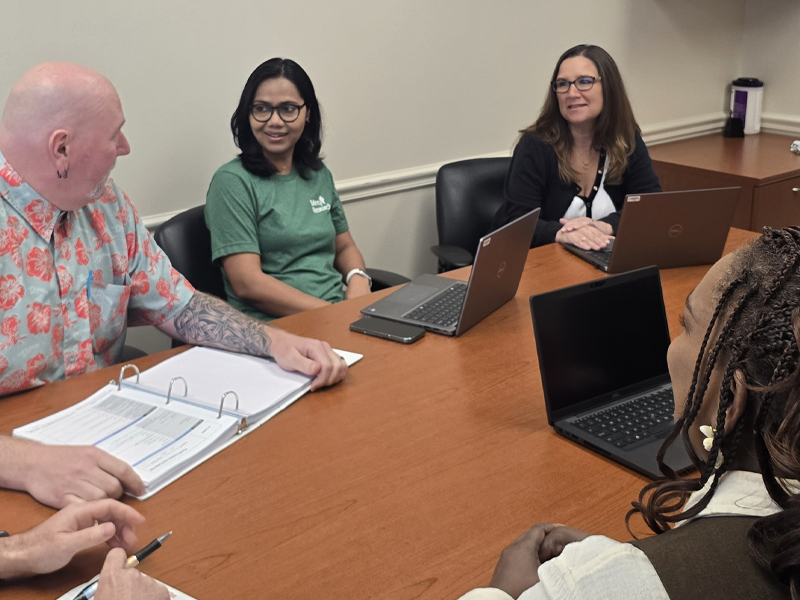
Over time, Dr. Fifer progressed into research administration. In a former role at the Southern Illinois University School of Medicine, she oversaw a team of about 10 clinical researchers studying new treatments for patients with neurological and psychiatric conditions ranging from Alzheimer’s disease to depression to schizophrenia. She continues this work in her new position at Mercy Research, managing a portfolio that encompasses heart health, eye health, obstetrics, COVID-19, and more.
“It’s so exciting to be a part of the big pivotal drug and device trials from the ground up. … If you’re lucky enough to work at an academic institution, you can work with the basic scientists and with translational research — so you can see the research go from the bench to the bedside.”
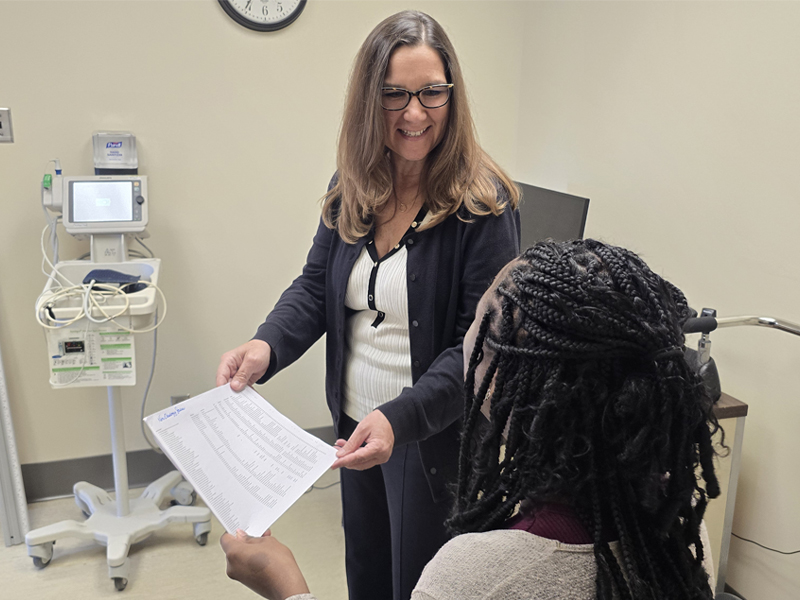
Clinical research still allows pharmacists to enjoy being hands-on with patients, Dr. Fifer adds, such as recruiting a diverse range of participants, ensuring they receive excellent care throughout the study, and communicating with caregivers.
“Sometimes [clinical trial] patients see their research team more than they see their regular clinicians or physicians because our visits are more frequent. They really enjoy being part of the research because they get followed more closely than the average patient. We give them [and their caregivers] our personal cell phone numbers and tell them they can text us or call us anytime, and they do reach out quite a bit. That’s super-rewarding.”
As a pharmacy leader and faculty member, Dr. Fifer encourages pharmacy students and new practitioners to consider a career in research. The field is not only fascinating for people interested in STEM, but also a good fit for anyone who seeks flexibility and work-life balance, just as she did when raising her young family.
“There are research post-doctoral fellowships, which can set the pathway for a pharmacy student to move into research. I love talking to students about that because you see their face light up. They’re like, ‘Oh, I never even really thought about that.’ … [Pharmacy] is a very family-friendly career. After my twins were born, I came back to work slowly. That’s something that you can do as a pharmacist because there are plenty of opportunities.”
Clinical research may seem mysterious to many outsiders, she says, but the outcomes are easy to appreciate.
Clinical research still allows pharmacists to enjoy being hands-on with patients”
“When people are facing a diagnosis that they know is genetic [like Alzheimer’s], they are really concerned. They’ll say, ‘We need to cure this before my children or my grandchildren have this diagnosis.’ … Research is what leads us to new scientific breakthroughs and new treatments. I want people to know that there are large teams working behind the scenes for their health.”
For Dr. Fifer, that’s what it means to be your pharmacist.